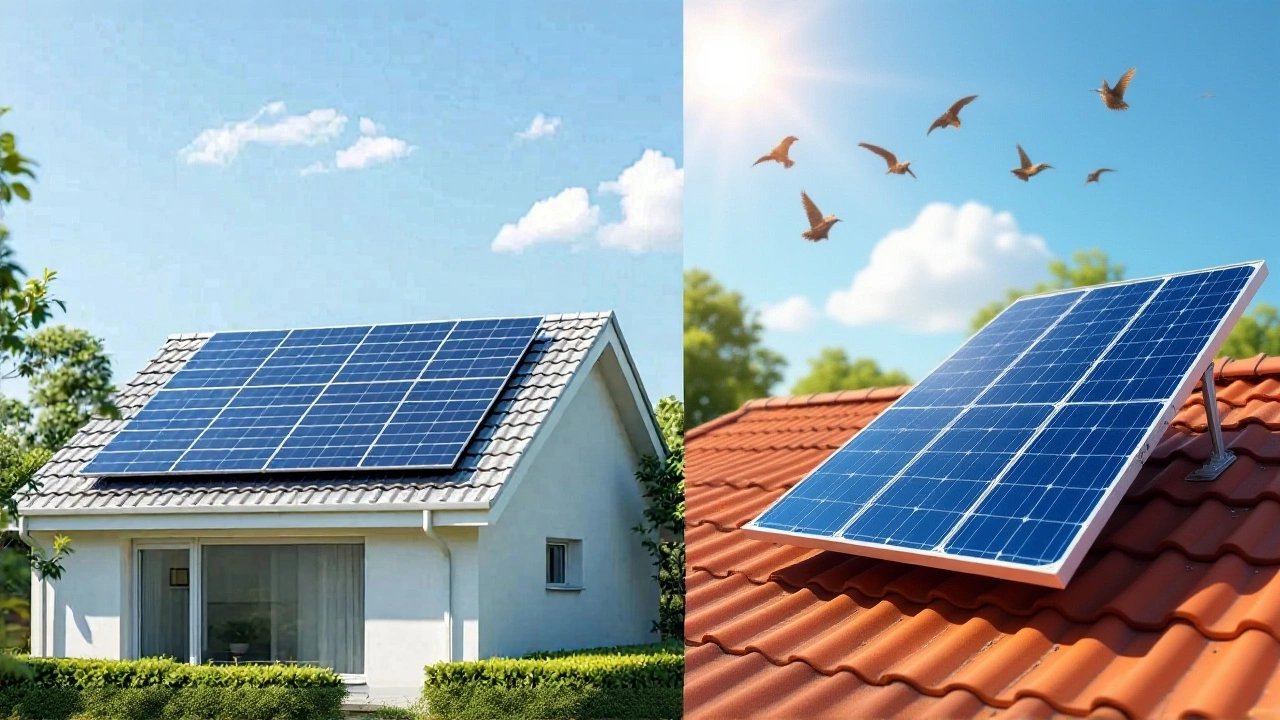
Forget everything you thought you knew about bulky, black rooftop panels. A breakthrough from Denmark suggests your home’s windows could soon generate the electricity you use, rendering traditional solar arrays obsolete. The news broke via a segment on Pakistani broadcaster 24 News HD, which highlighted a technology that turns glass into power plants.
The report, titled "Solar Panels No More? - Incredible New Technology Takes Over!", claims that experts are developing transparent windows capable of converting sunlight into energy as it passes through. This isn't just a theoretical concept anymore; it's part of a concrete initiative aimed at reshaping urban architecture by 2050.
The City Solar Project Vision
The core of this innovation lies in a project dubbed City Solar. According to the broadcast, Danish researchers have engineered a transparent solar cell that doesn't block light but harvests energy from it. Imagine skyscrapers and office buildings acting as massive, environment-friendly power plants simply by existing.
The goal is ambitious: integrate these windows into all new buildings by 2050. This shift would fundamentally change how we think about renewable energy infrastructure. Instead of dedicating roof space or land to solar farms, every vertical surface becomes an energy generator. It’s a sleek, invisible solution to a visible problem—energy demand in dense urban centers.
Why Traditional Panels Are Failing You
Here’s the thing: while futuristic windows sound appealing, many homeowners are already struggling with their current rooftop setups. Recent Hindi-language educational videos reveal a stark reality: most people aren’t getting the savings they promised because their systems are poorly maintained.
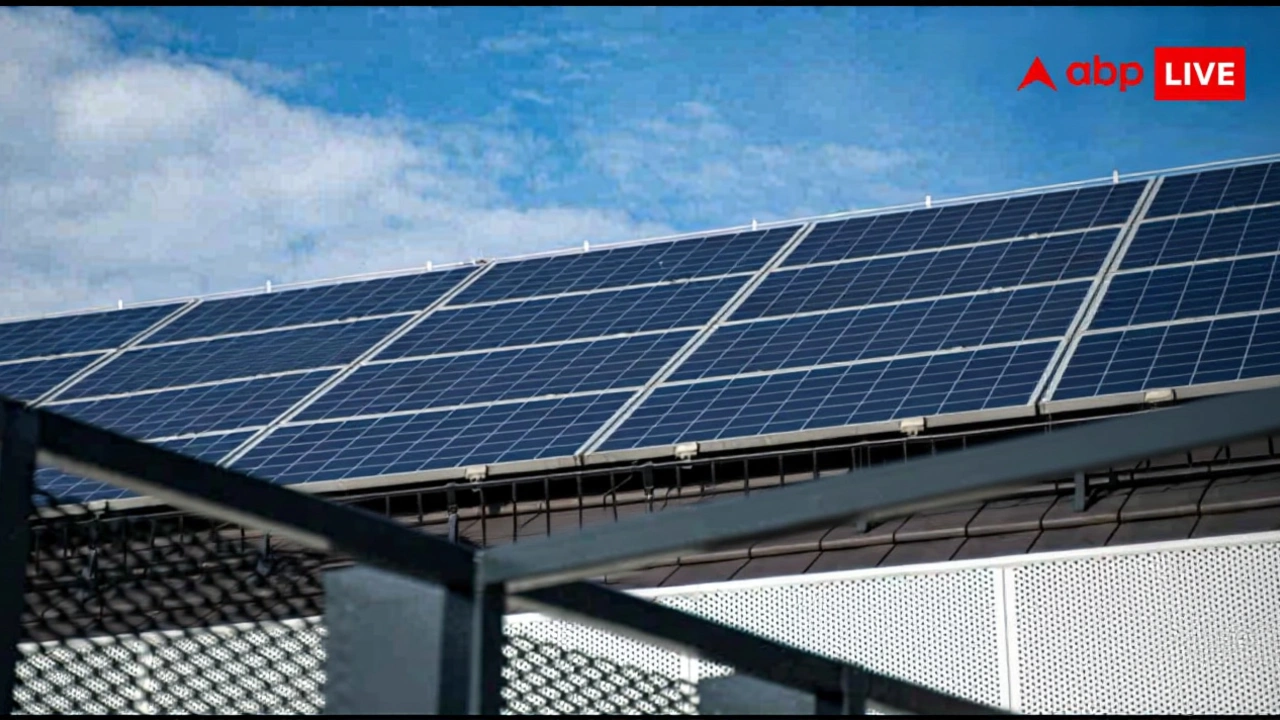
Think of your solar system like an air conditioner. If you don’t service it annually, efficiency drops. Experts point out that missing out on Annual Maintenance Contracts (AMC) is the number one reason for underperformance. It’s not just about wiping dust off the panels. Proper maintenance involves deep electrical checks for loose wires, damaged connectors, and overheating lugs. Mechanical inspections are equally critical to ensure mounting structures haven’t rusted or loosened.
The Shadow Problem
Shading is another silent killer of solar savings. Even a small shadow from a tree branch or a nearby chimney can drastically reduce output. One expert described shade as a "roadblock" that quietly eats away at your financial benefits. To combat this, installers should conduct a 360-degree evaluation of the site, analyzing shadows over 12 months and 365 days. If new construction blocks your sun, you might need to relocate the entire system.
Technical Realities of Current Systems
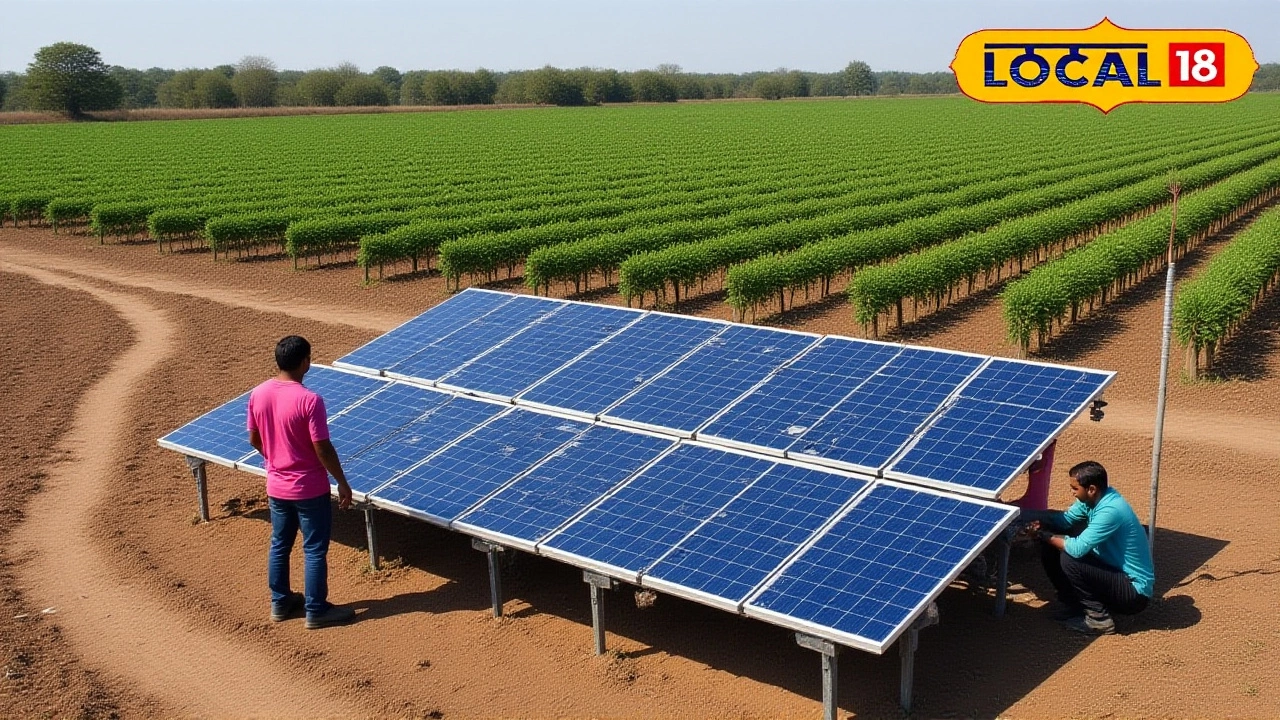
While we wait for transparent windows, conventional hardware remains the standard. Installation videos detail specific specs that matter for performance. For instance, a typical high-efficiency panel might be rated at 550 watts, providing a 42-volt output and 13.10 amperes. These connect to on-grid inverters with input voltage ranges between 600 and 1100 volts.
Modern inverters often feature double MPPT (Maximum Power Point Tracking), allowing them to handle up to 16 amperes per string. This flexibility lets users expand their systems later. However, safety protocols mean these on-grid systems automatically shut down when the main grid fails. You can’t rely on them during blackouts unless you have battery storage—a costly addition many skip.
What This Means for Your Home
The contrast between the futuristic promise of Danish transparent windows and the gritty reality of maintaining today’s rooftop panels is striking. The former offers aesthetic integration and scalability; the latter demands vigilance and technical knowledge.
For now, if you’re investing in solar, treat it like a car engine. Demand regular health checks. Monitor your generation data remotely. Trim those trees. But keep an eye on the horizon. By 2050, the skyline itself might be powering our cities, making the debate over roof space irrelevant.
Frequently Asked Questions
How do transparent solar windows work?
Transparent solar windows use advanced photovoltaic materials that allow visible light to pass through while capturing ultraviolet and infrared light to generate electricity. Unlike traditional opaque panels, they don't block views, making them ideal for skyscrapers and residential windows without sacrificing aesthetics.
When will transparent solar windows be available for homes?
The City Solar project aims to integrate this technology into all new buildings by 2050. While commercial applications may appear sooner, widespread residential adoption is likely a long-term goal due to current manufacturing costs and efficiency challenges compared to traditional silicon panels.
Why are my current solar panels not generating enough power?
Why are my current solar panels not generating enough power?
Common reasons include lack of maintenance, shading from trees or buildings, and electrical faults. Without annual servicing to check for loose wires, rust, or dirty surfaces, efficiency can drop significantly. Shading is particularly detrimental, as even partial coverage can reduce overall system output dramatically.
Do I need an annual maintenance contract for solar panels?
Yes, highly recommended. Just like an AC unit, solar systems require regular cleaning and electrical/mechanical inspections. An AMC ensures professionals check for hot spots, loose connections, and structural integrity, preventing minor issues from becoming costly failures and ensuring maximum energy yield.
Will my solar system work during a power outage?
Standard on-grid solar systems automatically shut down during grid outages for safety reasons, to prevent feeding electricity back into lines being worked on by utility crews. To have power during blackouts, you need an off-grid system or an on-grid system paired with battery storage and a hybrid inverter.