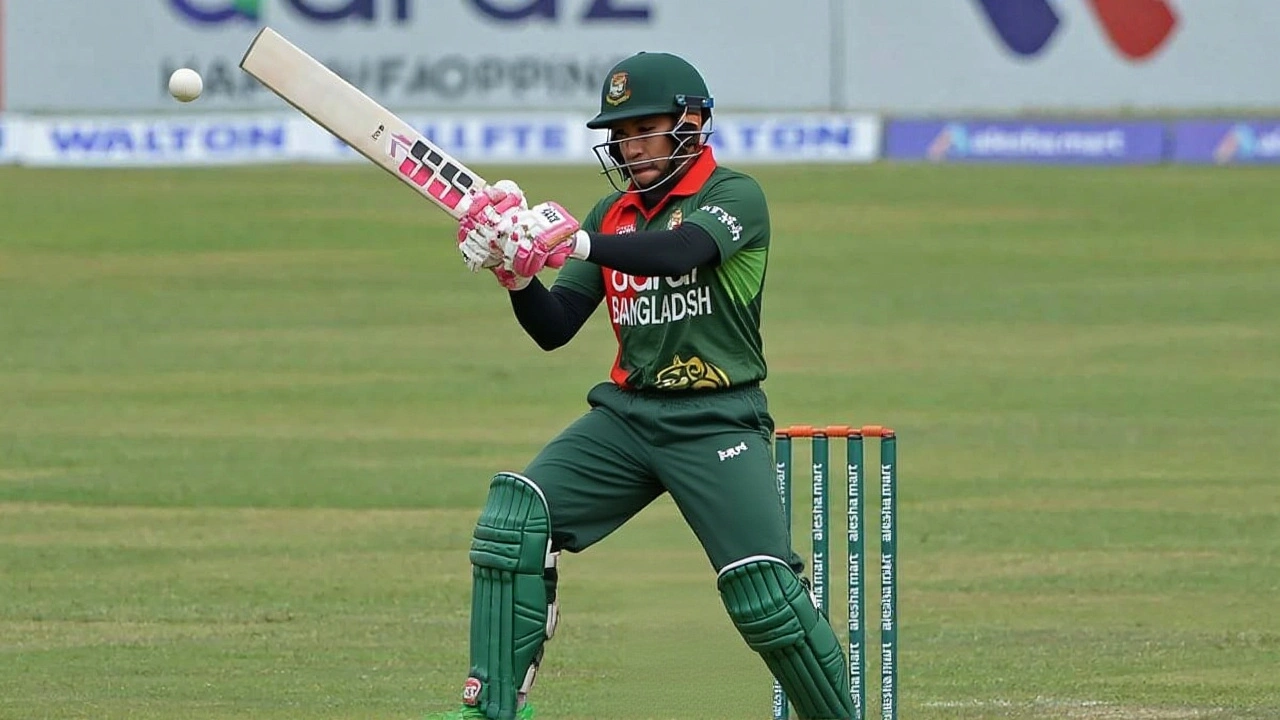
When Mushfiqur Rahim drove a cover drive through the off side for four on the morning of November 20, 2025, he didn’t just complete a century—he cemented his place in cricketing folklore. The 37-year-old wicketkeeper-batsman became the first Bangladeshi to play 100 Test matches, and he marked the occasion with his 13th Test hundred, a feat no other player from his nation has ever achieved. The milestone unfolded at the Shere Bangla National Stadium in Mirpur, Dhaka, during the second Test of a two-match series against Ireland, sponsored by Dutch-Bangla Bank. Bangladesh, led by the quiet brilliance of Rahim, ended Day One at 292-4, with Rahim on 99 not out, and by midday on Day Two, he had reached 102—turning what was already a landmark appearance into a moment of national pride.
A Century Years in the Making
Rahim’s journey to 100 Tests has been one of resilience, not flash. He debuted in 2005, a time when Bangladesh was still finding its footing in Test cricket. While others came and went, Rahim remained—a steady hand through 18 years of transformation. His 13 centuries include match-winning knocks against Australia, South Africa, and England, but none carried the emotional weight of this one. The Bangladesh Cricket Board, headquartered in Mirpur, celebrated his achievement with a social media post calling him "a Bangladesh cricket legend," a phrase that resonated far beyond the team’s dressing room. Fans in Dhaka lit candles outside the stadium. Children in rural villages wore his jersey. This wasn’t just a player reaching a number—it was a generation seeing its identity reflected in one man’s perseverance.The Dramatic Close of Day One
What made the moment even more cinematic was how close Rahim came to falling short. On the penultimate ball of Day One, November 19, 2025, Irish left-arm spinner Andrew McBrine bowled a full, drifting delivery into Rahim’s pads. The batsman attempted a sweep, the ball ballooned toward short fine leg, and the fielder threw his hands up in celebration—only for the ball to skid past him and race to the boundary. The crowd gasped. The TV replays showed the fielder’s disbelief. Rahim, ever composed, didn’t celebrate. He just nodded. He had reached 99 not out. The next day, he took just 14 balls to reach triple figures. "That’s Mushfiqur," said one longtime commentator. "He doesn’t need fireworks. He just needs time—and he always gets it."
Ireland’s Struggle in the Shadows
For Cricket Ireland, headquartered in Dublin, the match was a sobering reminder of the gulf between Test-playing nations and Associates. McBrine’s 4-82 was hailed as a "well-crafted 4fer" by The Part-Timer, the only reader-supported Irish cricket publication, but it was the only bright spot in a day dominated by Bangladesh’s patient accumulation. Ireland’s attack, which had shown slight improvement from their first Test loss the previous week, failed to take wickets in clusters. Bangladesh’s top order, familiar with the slow, turning pitch, ate up overs like it was their job—which, of course, it was. "They’ve done this before," noted The Part-Timer in its November 20 report. "And Ireland still haven’t figured out how to stop them."The Bigger Picture: Bangladesh’s Ascendancy
This wasn’t just about one player or one match. It was about Bangladesh’s evolution. In 2005, they won one Test in 17 years. Now, they’ve won 12 of their last 17 home Tests against Associate nations. Ireland, having lost the first Test by an innings, now faces the very real prospect of being bowled out for under 200 in the second innings. The scoreboard at Mirpur tells the story: 292-4 on Day One. 300+ lead. Six wickets still standing. Analysts are already predicting an innings victory before November 24, 2025—the scheduled end of the match.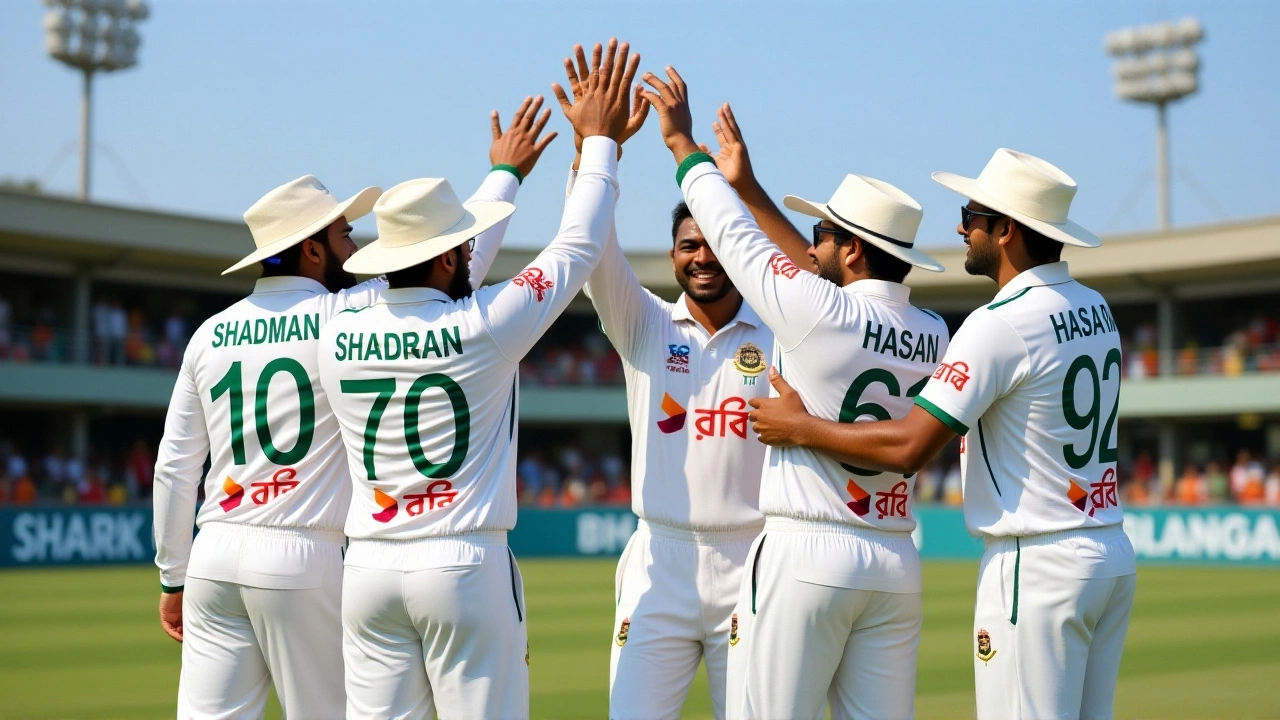
What’s Next for Rahim and Bangladesh?
Rahim, now 37, has never been a flashy player. He doesn’t chase records for the sake of it. But now, with 100 Tests and 13 centuries, he’s set a benchmark no other Bangladeshi can match—for now. The Bangladesh Cricket Board has hinted at a formal tribute ceremony, possibly before the third Test of the year against Zimbabwe. As for Rahim? He’s said nothing publicly. But teammates say he’s already looking ahead: "He’s not done yet. He wants to play until the end of this series. Maybe longer."For Bangladesh, this moment is about legacy. For Ireland, it’s about survival. And for cricket fans watching from Colombo to Cardiff, it’s a reminder that greatness isn’t always loud. Sometimes, it’s just a quiet man, batting for hours, making history one ball at a time.
Frequently Asked Questions
How significant is Mushfiqur Rahim’s 100th Test appearance for Bangladesh cricket?
Rahim’s 100th Test is a historic first for Bangladesh, making him the only player from the nation to reach that milestone. Only 11 other countries have had a player reach 100 Tests, and Bangladesh—once considered a minnow—now has a benchmark of longevity and consistency. His 13 centuries further underline his importance, placing him among the top run-scorers in Test history from Associate nations.
Why did Ireland struggle so badly despite Andrew McBrine’s performance?
McBrine’s 4-82 was impressive, but Ireland’s bowling lacked depth and consistency. Their other spinners and pacers failed to build pressure, and Bangladesh’s batsmen exploited the slow pitch with exceptional patience. Ireland’s problem isn’t just individual performances—it’s a systemic gap in resources and match experience compared to full-member nations like Bangladesh.
Where was the match played, and why is the venue important?
The match took place at the Shere Bangla National Stadium in Mirpur, Dhaka—the traditional home of Bangladesh’s Test cricket. The pitch favors spin and slow turn, conditions where Bangladesh’s batsmen thrive and visiting teams, especially Associates like Ireland, struggle. This venue has hosted 42 of Bangladesh’s 112 Test matches, making it a fortress of sorts.
What’s the impact of this milestone on future Bangladeshi cricketers?
Rahim’s achievement sets a new standard. Young players now have a tangible goal: not just to play Tests, but to play 100. His career shows that longevity, discipline, and adaptability matter more than explosive power. The Bangladesh Cricket Board is already using his journey in youth academies to promote resilience over raw talent.
Is this likely to be Rahim’s final Test series?
Rahim hasn’t announced retirement, and teammates suggest he’s still motivated. With Bangladesh scheduled to host Zimbabwe and Sri Lanka next year, and with no clear successor to his role as wicketkeeper-batsman, he may play on into 2026. His leadership, even without the captaincy, remains invaluable in high-pressure situations.
How does this compare to other landmark Test milestones in cricket history?
Only 11 players from full-member nations have played 100 Tests while scoring 10+ centuries. Rahim joins an elite group, but his achievement is even more remarkable because he did it from a nation with fewer resources, less exposure, and less infrastructure. His 100th Test century stands alongside Sachin Tendulkar’s 200th Test and Ricky Ponting’s 168th as moments that redefined what’s possible for players from emerging cricketing nations.