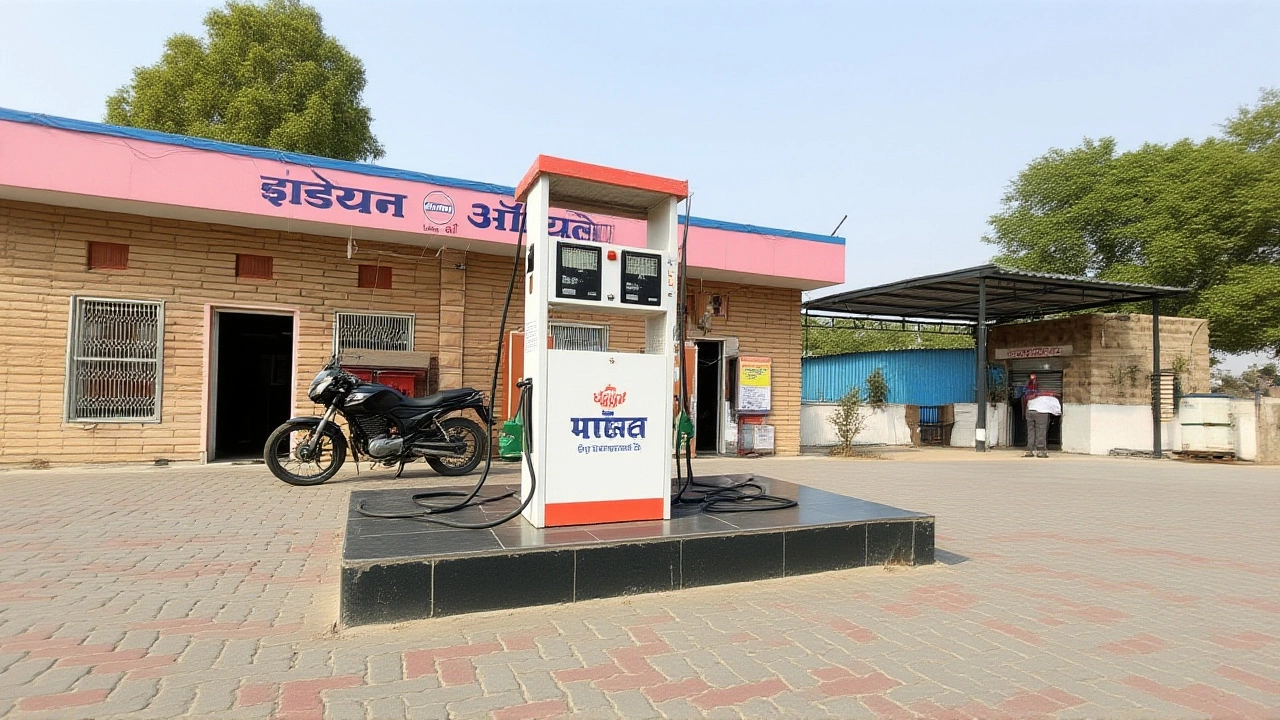
When District Magistrate, administrative head of Farrukhabad district and the local Superintendent of Police conducted a surprise inspection of petrol and gas agencies recently, it sent a clear message: authorities are watching. The move comes as social media rumors about fuel shortages have sparked panic buying in parts of Uttar Pradesh and Rajasthan, leading to long queues at pumps despite official assurances that supplies are adequate.
The inspections in Farrukhabad were not isolated incidents but part of a broader administrative response to misinformation spreading online. While no actual shortage exists, the fear of one has disrupted daily life for commuters who found themselves waiting hours just to fill their tanks. Here’s the thing—panic is often more damaging than scarcity itself.
Panic Buying Fuels False Shortages
In Pratapgarh, another district in Uttar Pradesh, the situation turned chaotic after viral posts claimed diesel was running out. Within hours, long lines formed at petrol pumps across towns and villages. Motorcyclists and car owners alike joined the rush, creating artificial demand that overwhelmed normal distribution channels.
But wait—the reality on the ground told a different story. By Tuesday, conditions had normalized completely. A female official from the district administration addressed reporters directly: “Petroleum products are available. I request people not to panic.” She emphasized that sufficient stocks existed throughout the district, urging citizens to ignore misleading information circulating on WhatsApp groups and Facebook pages.
This pattern isn’t new. Similar episodes occurred during previous geopolitical tensions when global oil prices fluctuated sharply. What changed this time? Social media amplification made local concerns feel national almost overnight.
Government Reassures Supply Chain Stability
At the national level, the central government moved quickly to quell fears. During an all-party meeting held earlier this month, officials confirmed there was no shortfall in petroleum product availability anywhere in India. They also highlighted progress regarding ships navigating through the Strait of Hormuz, a critical chokepoint for global oil transport currently facing security challenges due to regional conflicts.
“Four Indian vessels have already exited safely,” stated a minister present at the session. “More will follow soon.” This diplomatic achievement underscores India’s strategic positioning amidst international instability. Meanwhile, other countries’ ships remain stuck, highlighting how effectively New Delhi managed its logistics network under pressure.
To put things into perspective, current retail prices reflect stable market conditions rather than crisis-level disruptions. According to data provided by Indian Oil Corporation Limited (IOCL), petrol costs ₹94.77 per liter while diesel stands at ₹87.67 per liter in New Delhi. These figures haven’t surged dramatically despite external pressures—a sign that domestic supply chains remain resilient.

Local Administration Takes Proactive Steps
Back in Farrukhabad, the joint effort between law enforcement and revenue departments aimed to preempt any potential issues before they escalated. Video footage uploaded two months ago shows officers visiting multiple fuel outlets without prior notice. Though details about specific findings weren’t disclosed publicly, such visits serve dual purposes: ensuring compliance with safety regulations and reassuring traders about consistent inventory levels.
Interestingly enough, these checks align perfectly with directives issued by higher-ups urging vigilance against fake news campaigns targeting essential services. As one police spokesperson noted, “We’re here to maintain order—not react to chaos caused by baseless claims.”
Broader Implications For Public Trust
The ripple effects extend beyond immediate economic impacts. When communities lose trust in official statements because contradictory narratives dominate digital spaces, governance becomes increasingly difficult. Experts warn that repeated exposure to unverified alerts desensitizes populations over time, making future emergency communications less effective.
Consider what happened last year when false reports about water contamination led to mass hoarding of bottled drinks—even though tests showed tap water remained safe. Each episode erodes credibility further unless countered decisively with transparent updates backed by verifiable evidence.
What Lies Ahead?
Looking forward, several developments warrant attention. First, continued monitoring of maritime routes near the Middle East will determine whether additional delays affect imports significantly. Second, ongoing efforts to regulate social media content may reduce frequency of similar scares moving ahead. Finally, strengthening coordination among state governments could help standardize responses across regions instead of relying solely on ad-hoc measures like surprise inspections.
For now though, residents can breathe easy knowing their nearest pump likely holds plenty of fuel ready for dispensing—as long as they resist joining unnecessary queues fueled purely by anxiety.
Frequently Asked Questions
Why did authorities conduct surprise inspections in Farrukhabad?
Officials carried out unannounced visits to verify stock levels and ensure smooth operations following widespread rumors about impending fuel shortages. Such actions aim to prevent panic-induced disruptions while maintaining public confidence in supply chain integrity.
Is there really a nationwide fuel shortage in India?
No. Government representatives explicitly denied any existence of petroleum deficits during recent parliamentary sessions. Current pricing structures indicate steady availability without significant volatility suggesting otherwise.
How does the Strait of Hormuz impact Indian fuel supplies?
As approximately 20% of world crude passes through this narrow passage, prolonged blockades could disrupt deliveries. However, successful evacuation of four Indian tankers demonstrates proactive risk management minimizing direct consequences domestically.
What role do social media platforms play in exacerbating perceived shortages?
Unverified messages spread rapidly via messaging apps triggering herd behavior among consumers eager to secure resources prematurely. Authorities struggle keeping pace with misinformation velocity requiring enhanced cyber policing mechanisms going forward.
Are petrol prices expected to rise significantly anytime soon?
Present indicators suggest stability given controlled domestic inventories alongside efficient import strategies. Any sudden spikes would depend largely upon unforeseen geopolitical escalations impacting global benchmarks beyond immediate control.