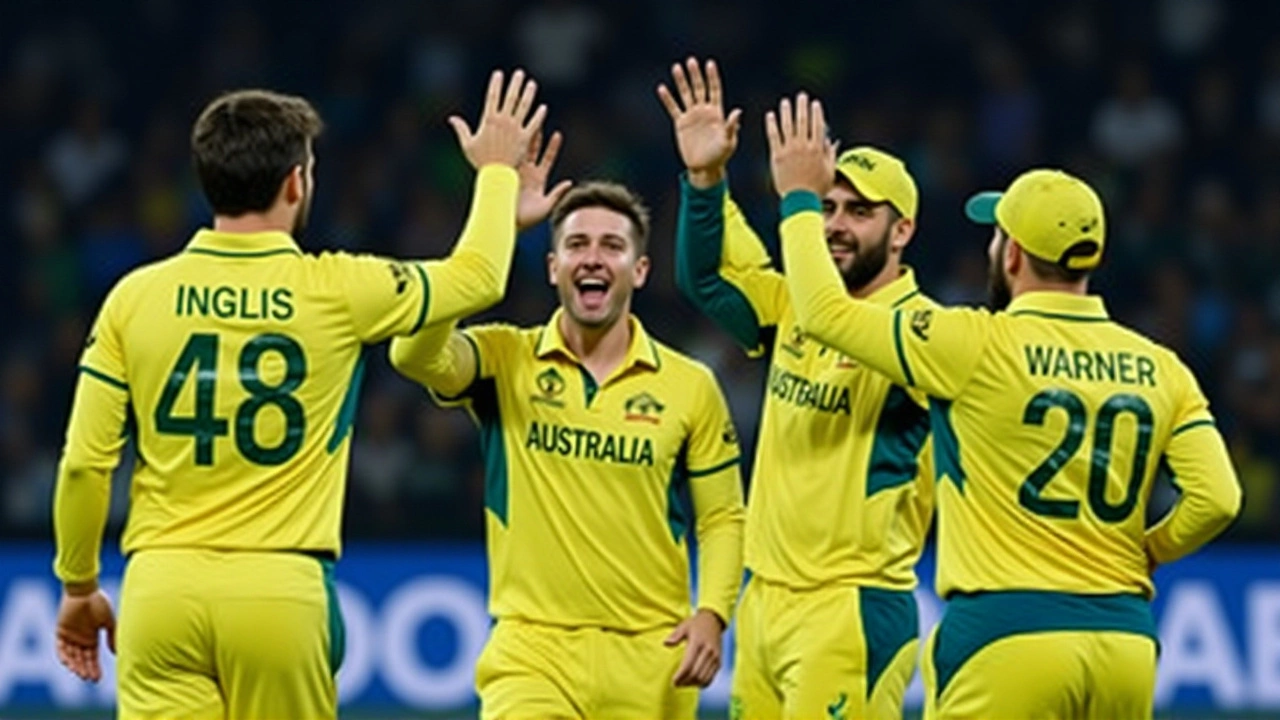
Just when you thought Pakistan's cricket team had recovered from their humiliating loss to Bangladesh, another blow landed. Two key stars, Fakhar Zaman and Saim Ayub, have been ruled out of the upcoming three-match One Day International (ODI) series against Australia. The news comes just days before the tour begins, leaving fans and analysts scrambling to understand the selection logic.
The timing couldn't be worse. After a drubbing in Dhaka that left many questioning the team's mental fortitude, this exclusion feels like salt in the wound. Here's the thing: while reports initially suggested both players were out, official squad lists released by the Pakistan Cricket Board (PCB) tell a slightly more complicated story.
Conflicting Reports and Squad Chaos
Early reports from outlets like CricketCountry Hindi described the situation as a "heavy shock" for Pakistan, explicitly naming Fakhar Zaman and Saim Ayub as unavailable for the ODI leg. However, when the PCB officially announced the 15-member squads on Monday, things got murky. Saim Ayub’s name appeared in the final ODI list, contradicting earlier exclusions. Fakhar Zaman, however, was noticeably absent.
This inconsistency has sparked confusion among supporters. Is Ayub in or out? Was his inclusion a last-minute change, or was the initial report simply wrong? Meanwhile, Fakhar’s omission seems confirmed, raising questions about his form and fitness after a quiet patch in recent months. The lack of clear communication from the board only adds to the frustration.
The Captaincy Conundrum
But wait—there’s another layer to this mess. The PCB announced both the ODI and T20I squads without naming a captain. Yes, you read that right. No skipper. Not even a temporary one.
Babar Azam, who has led the side in most formats recently, is included in both squads but hasn’t been officially designated as captain for this tour. Rumors are swirling that Salman Ali Agha might take the reins, especially after reports surfaced that he met with the PCB chairman to discuss leadership opportunities. Still, nothing is confirmed. This ambiguity leaves the team structure feeling unstable heading into a high-pressure series against a formidable Australian side.
Squad Breakdown: Who’s In, Who’s Out?
Let’s break down the actual selections. For the ODI series starting November 4, the squad includes:
- Amir Jamal
- Abdullah Shafique
- Arafat Minhas
- Babar Azam
- Faisal Akram
- Haris Rauf
- Haseebullah (wicketkeeper)
- Kamran Ghulam
- Mohammad Hasnain
- Mohammad Rizwan (wicketkeeper)
- Muhammad Irfan Khan
- Naseem Shah
- Saim Ayub
- Salman Ali Agha
- Shaheen Shah Afridi
Notably missing are experienced bowlers Imad Wasim and Mohammad Amir. Their exclusion suggests the board is prioritizing pace over spin in Australian conditions—or perhaps managing workloads ahead of future commitments. Either way, it’s a bold move.
The T20I squad, set to begin on November 14, shares several core members: Babar Azam, Haris Rauf, Naseem Shah, Mohammad Rizwan, Salman Ali Agha, and Shaheen Shah Afridi remain central figures across both formats. This overlap indicates a strategy of maintaining continuity despite format differences.

Recent Form: A Tale of Two Tours
To put this current uncertainty in perspective, consider how well Pakistan performed during their previous tour of Australia. They didn’t just win—they dominated. In Adelaide, they crushed Australia by nine wickets, restricting them to a paltry 163 all out. Haris Rauf took five wickets, while Shaheen Shah Afridi claimed three. At the crease, Saim Ayub scored a brilliant 82, setting up an easy chase.
Then came Perth, where Pakistan sealed the series 2-1 with an eight-wicket victory. It was historic—the first time since 2002 that Pakistan had won an ODI series on Australian soil. That’s 22 years of waiting ended in a single tour. Abdullah Shafique and Mohammad Rizwan played crucial roles in building partnerships that steadied the innings.
So why the sudden doubt now? The contrast between past success and present instability is stark. If the team could dismantle Australia’s batting lineup so effectively before, what changed? And if nothing changed, why the roster upheaval?
What’s Next for Pakistan?
The stakes are high. Winning in Australia carries immense prestige, especially after such a long drought. But without clarity on leadership and with key batsmen sidelined, the path forward looks uncertain. Fans will be watching closely to see if the new combinations gel under pressure.
Experts suggest that young talents like Arafat Minhas and Faisal Akram may get chances to shine—but can they handle the intensity of Australian crowds and pitches? Only time will tell. One thing is certain: this series will test not just skill, but resilience.
Frequently Asked Questions
Why were Fakhar Zaman and Saim Ayub excluded from the ODI squad?
While initial reports stated both players were out, official PCB listings show Saim Ayub included in the final ODI squad. Fakhar Zaman remains excluded, likely due to inconsistent recent performances and possible fitness concerns. The discrepancy highlights ongoing communication issues within the board.
Who will captain Pakistan in the absence of an official announcement?
No captain has been formally named for either the ODI or T20I series. Babar Azam is expected to lead based on precedent, but rumors point to Salman Ali Agha potentially taking charge after discussions with PCB officials. Clarity is awaited before the first match.
When does the Pakistan vs Australia ODI series start?
The three-match ODI series begins on November 4, followed by a three-match T20I series starting November 14. Both tours are scheduled to take place across multiple venues in Australia, offering varied pitch conditions for testing player adaptability.
Why are Imad Wasim and Mohammad Amir left out of both squads?
Their exclusion appears strategic, favoring fast-bowling depth suited to Australian tracks. Additionally, workload management may play a role, preserving these veterans for upcoming bilateral series or domestic tournaments later in the year.
How did Pakistan perform in their last ODI series against Australia?
Pakistan won the previous ODI series 2-1, marking their first series victory in Australia since 2002. Key wins included a nine-wicket thrashing in Adelaide and an eight-wicket triumph in Perth, powered by strong bowling displays and solid top-order batting.