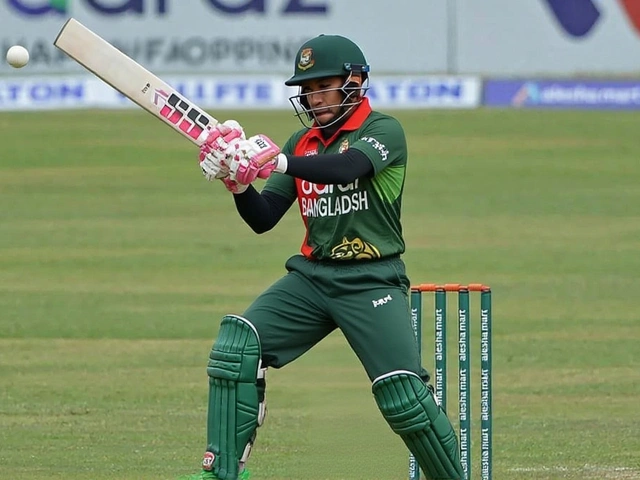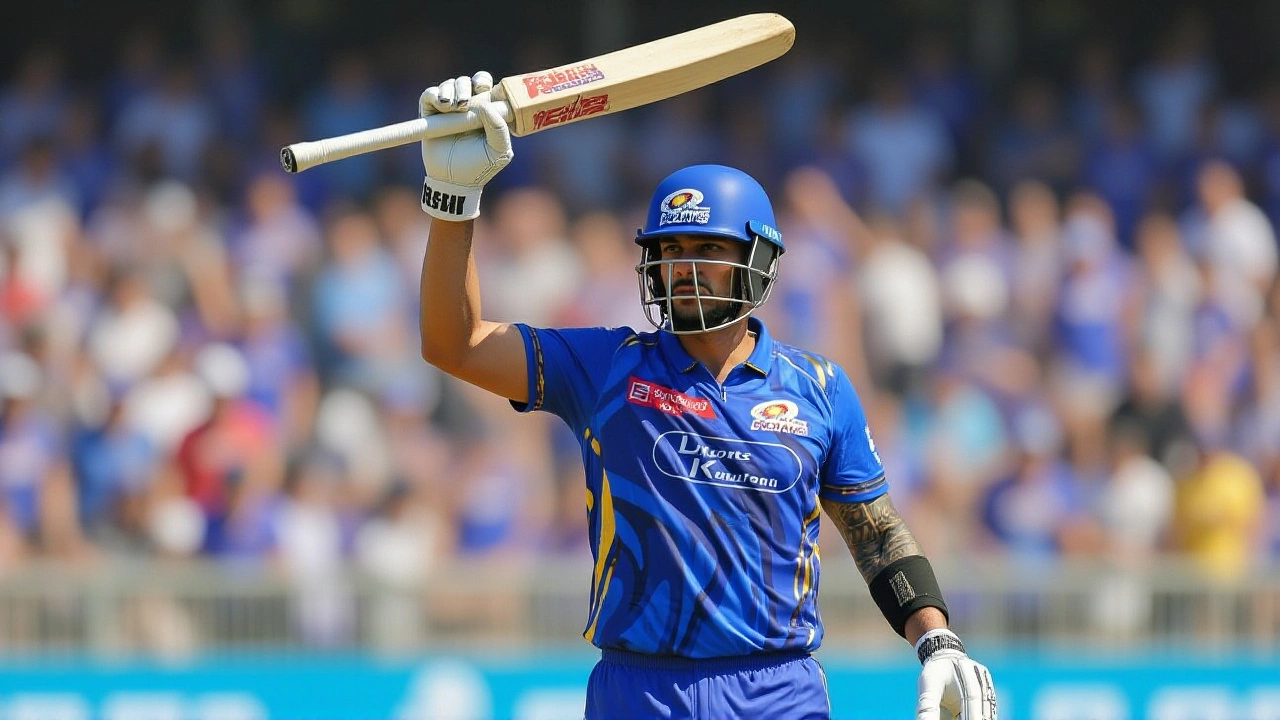
When Yashasvi Jaiswal, the explosive opener for Rajasthan Royals, slammed a blistering knock to set up a 27-run victory over Mumbai Indians, it wasn't just another win on the board. It was a statement. In the 13th match of the Indian Premier League 2026, rain forced a dramatic reduction to 11 overs per side, turning a standard league game into a high-stakes sprint.
The twist? Mumbai Indians won the toss and chose to bowl first, hoping to exploit any slippery conditions. They underestimated the power hitting of the Royals. Rajasthan posted a daunting 150/3 in their allotted 11 overs, maintaining a run rate of 13.64. When Mumbai chased, they collapsed under pressure, finishing at 123/9. The result didn't just shift the points table; it cemented Jaiswal as the tournament's leading run-scorer and highlighted bowler Ravi Bishnoi as the premier wicket-taker at this stage of the season.
A Rain-Reduced Sprint
Here’s the thing about short-format cricket: when you cut the overs in half, every ball counts double. The match, originally scheduled for 20 overs, was truncated due to persistent rain interruptions. This isn't uncommon in Indian summer leagues, but it changes the tactical calculus entirely. There’s no time for building an innings. You hit hard from ball one, or you don’t survive.
Mumbai Indians’ decision to bowl first seemed logical on paper—pin down the top order while the pitch might still be fresh. But the execution fell flat. Rajasthan Royals reached 50 runs without losing a wicket in just 2.4 overs. That’s a pace that leaves even seasoned commentators breathless. The first-wicket partnership alone accounted for 50 runs off merely 16 balls, with Jaiswal at the crease looking unstoppable.
By the time the Royals finished their innings, they had set a target that required Mumbai to maintain a run rate above 11.82 throughout the chase. In normal circumstances, that’s manageable. In an 11-over game where wickets fall quickly, it’s a mountain to climb.
Mumbai’s Chase Crumbles
Mumbai started their pursuit cautiously, reaching 50 runs by the 5.3-over mark (off 33 balls). On the surface, that looks steady. But look closer: three of those runs came from extras. That means the batters were struggling to find the gaps, relying on fielding errors and bad deliveries to keep the scoreboard ticking.
Then, the dam broke. As the overs wound down, the Royals’ bowling attack, spearheaded by Ravi Bishnoi, tightened the screws. Mumbai lost nine wickets for 123 runs. The final tally showed a team that couldn’t accelerate when it mattered most. They needed roughly 11 runs per over to win; they managed just over 11, but not consistently enough to stay in the hunt.
"It’s not just about scoring fast," noted one analyst reviewing the footage. "It’s about sustaining pressure. Mumbai’s middle order simply didn’t have the firepower to counter the spin and pace variations in such a condensed format."
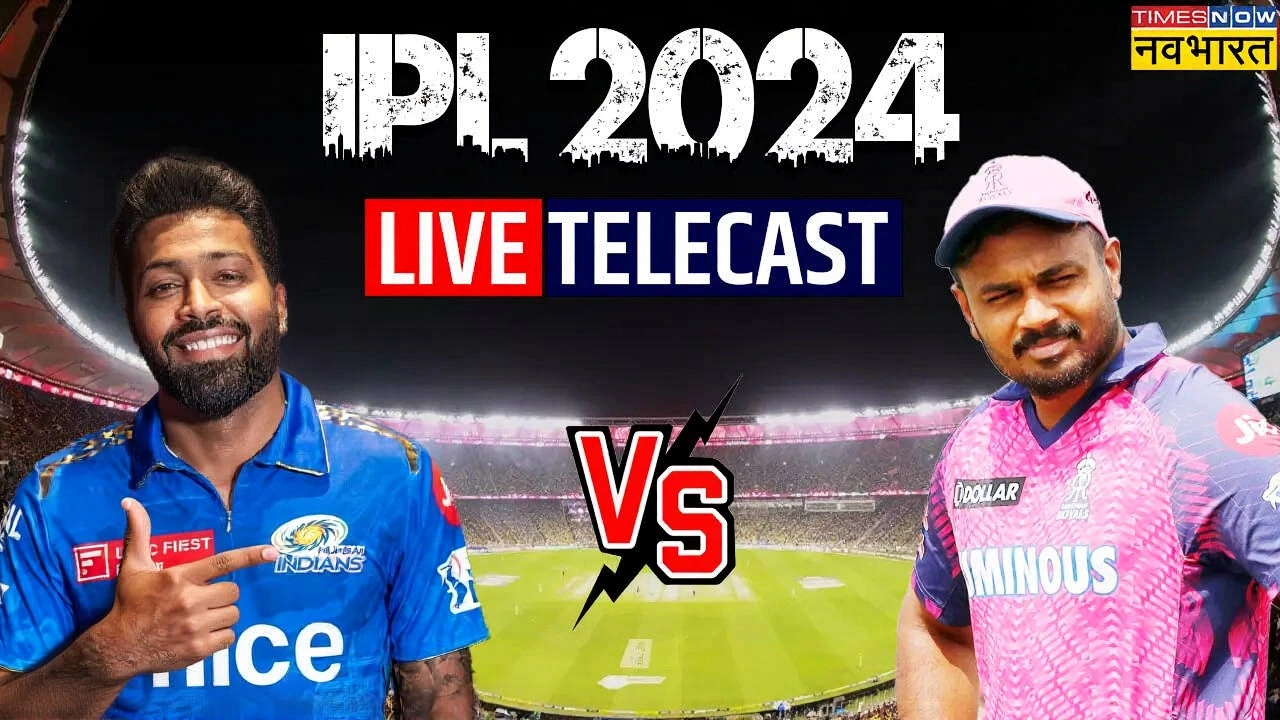
Statistical Shifts and Tournament Impact
This victory had immediate ripple effects beyond the two-point gain for Rajasthan Royals. With this performance, Yashasvi Jaiswal moved to the top of the Orange Cap list (leading run-scorer) for IPL 2026. Simultaneously, Ravi Bishnoi claimed the Purple Cap (leading wicket-taker), showcasing the all-around dominance of the Royals’ key players.
For Mumbai Indians, the loss is a setback. They now sit with zero points from this fixture, widening the gap in the standings. In a tournament where every point matters for playoff qualification, a collapse like this can derail momentum quickly.
Context matters here. Just last year, in Match 50 of IPL 2025 at Sawai Mansingh Stadium, Jaipur on May 1, 2025, Mumbai dominated Rajasthan completely. They posted 217/2 and bowled out Rajasthan for 117, winning by 100 runs. That match featured a strategic timeout at 117/9 for Rajasthan and a referral involving player J Archer. The contrast between that lopsided defeat and this narrow, rain-affected win highlights the volatility of T20 cricket.
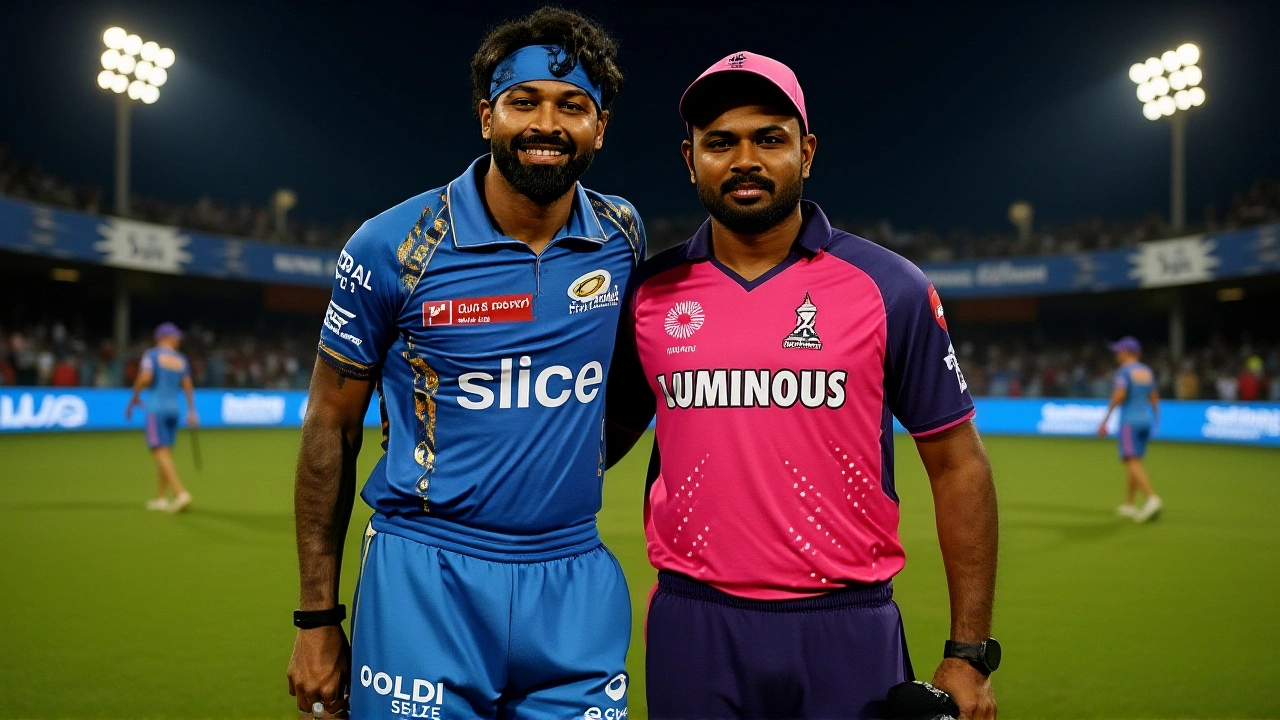
What’s Next for Both Teams?
Rajasthan Royals will likely ride this wave of confidence. Jaiswal’s form is peaking, and Bishnoi’s ability to take wickets in clusters makes them dangerous in any condition. Their next challenge will be maintaining this intensity against teams with deeper batting lineups.
Mumbai Indians need to regroup. Their chasing strategy needs refinement, especially in shortened games. Can they adapt their middle-order approach to handle high-pressure situations? Or will they continue to crumble when the run rate climbs? The upcoming fixtures will provide early answers.
Frequently Asked Questions
Why was the match reduced to 11 overs?
The match was shortened due to significant rain interruptions during play. Organizers used the Duckworth-Lewis-Stern (DLS) method or a similar regulation to adjust the target and overs, resulting in an 11-over-per-side contest to ensure a fair result despite the weather delays.
Who are the current leaders in IPL 2026 stats after this match?
Following this victory, Yashasvi Jaiswal became the leading run-scorer (Orange Cap holder) for the season. Meanwhile, Rajasthan Royals' bowler Ravi Bishnoi took over as the leading wicket-taker (Purple Cap holder), highlighting the team's balanced contribution with both bat and ball.
How does this compare to their last major encounter?
In stark contrast, Mumbai Indians defeated Rajasthan Royals by 100 runs in Match 50 of IPL 2025 on May 1, 2025. Mumbai scored 217/2 and restricted Rajasthan to 117 all out. This 2026 win marks a significant turnaround for Rajasthan in this rivalry, especially given the historical head-to-head record of 30 matches with no ties.
What was the significance of the first-wicket partnership?
The opening partnership of 50 runs off just 16 balls set the tone for Rajasthan’s innings. By reaching 50/0 in only 2.4 overs, they neutralized Mumbai’s new-ball advantage and forced the opposition to defend a high total in a very short timeframe, leaving little room for error in the chase.